From loudspeakers, to livestreams. Indias political advertising has changed a lot in the era. This is because of data and social media. Now parties use digital storytelling to win peoples hearts and get their votes. Indias political advertising is really different now. From Posters to Pixels The Indian election campaign is a show. It is emotional and very loud. For a time people heard loud noises from big speakers and they saw pictures on walls and big signs.. Now the real Indian election campaign happens on a computer or phone screen. Indian politics uses WhatsApp messages and famous people on Instagram to get people to vote for them. The Indian election campaign is on the internet now. It is not a little part of it the internet is the main place where people try to convince others to vote for them. Indian election campaign is, about the internet.
The last ten years have been really big for smartphones and the internet. This is because of what Jio has done. Now people can get smartphones and internet for cheap. This has changed the way people run their campaigns. India has a lot of people who use the internet. About 820 million people do, according to what TRAI said in 2024. This is the group of people who are connected to the internet in the whole world. When it comes to ads things are different now. Before people would just shout to get their message across. Now they can talk directly to the people they want to reach. They can say what they want to say using information they have about the people and they can keep saying it over and over again to the right people. Political advertising and the internet are really important for reaching Indias internet users, who’re a big deal, in the country.
From Mass Messaging to Micro-Targeting In the 2000s political campaigns used to depend on television ads and big gatherings of people. The message they sent out was simple and the same for everyone. They would just use one slogan for all the people. Those days are, behind us now. Nowadays political ads are made in a careful way using lots of data and artificial intelligence to get it just right.
When you scroll,. Like something it becomes a clue about you. The people who want to know about voters look at where they live how old they are, what language they speak and what they do for work. For example someone who is voting for the time in Bengaluru might see a video on Reels about jobs and startups. On the hand a farmer in Uttar Pradesh might get a video on WhatsApp about subsidies and insurance, for their crops. Facebook and Instagram ads are really important for advertisers in India. They spent over ₹160 crore on these ads in the six months before the 2024 Lok Sabha elections. Most of the time they made ads that were focused on regions or issues. This is because people do not like ads anymore. Facebook and Instagram ads that are made for people or areas are more effective. Political advertisers in India use Facebook and Instagram ads to reach people in parts of the country. They make ads about issues that are important to people in those areas. Facebook and Instagram ads help political advertisers, in India win elections by letting them talk directly to the people they want to vote for them.
Digital Platforms: The New Battleground Facebook and Instagram – Storytelling at Scale Facebook is really popular in India with over 300 million users. This makes Facebook a powerful tool for running campaigns. The BJP and the Facebook platform are used by the BJP and the Congress for things. They use Facebook for livestreams and debates and for telling stories with videos. The Instagram platform is very popular with people. Instagram is where the BJP and the Congress connect with influencers and make memes and short videos called reels. This way politics becomes a part of the things that’re popular, with young people.
The BJPs Main Bhi Chowkidar campaign that started in 2019 on Twitter and Facebook became really popular. This Main Bhi Chowkidar campaign was launched on these media sites and it quickly went viral. The Main Bhi Chowkidar movement generated over 1.5 million posts from users in a few days. This just shows how telling stories online can turn a slogan, like Main Bhi Chowkidar into something that everyone is talking about on social media. YouTube and Regional Video Platforms Video is the way people in India talk to each online. YouTube has a lot of viewers over 450 million people watch it. This makes YouTube an important place for videos that explain things in detail, short ads and stories that make people feel something.
Now political parties are making videos that look like they were made for the cinema. They make movies about the things they are doing to help people and the promises they make during elections. They tell these stories in a way that makes them sound like they are, about people like you and me. People in India also use homegrown platforms like ShareChat, Moj and Chingari. These platforms are used by people who speak Indian languages. There are than 15 Indian languages that people use on ShareChat, Moj and Chingari. In some places like Bihar and Tamil Nadu people use ShareChat, Moj and Chingari more than Twitter and Instagram. This shows that Indian politics is still many languages. ShareChat, Moj and Chingari are really popular, in these places.
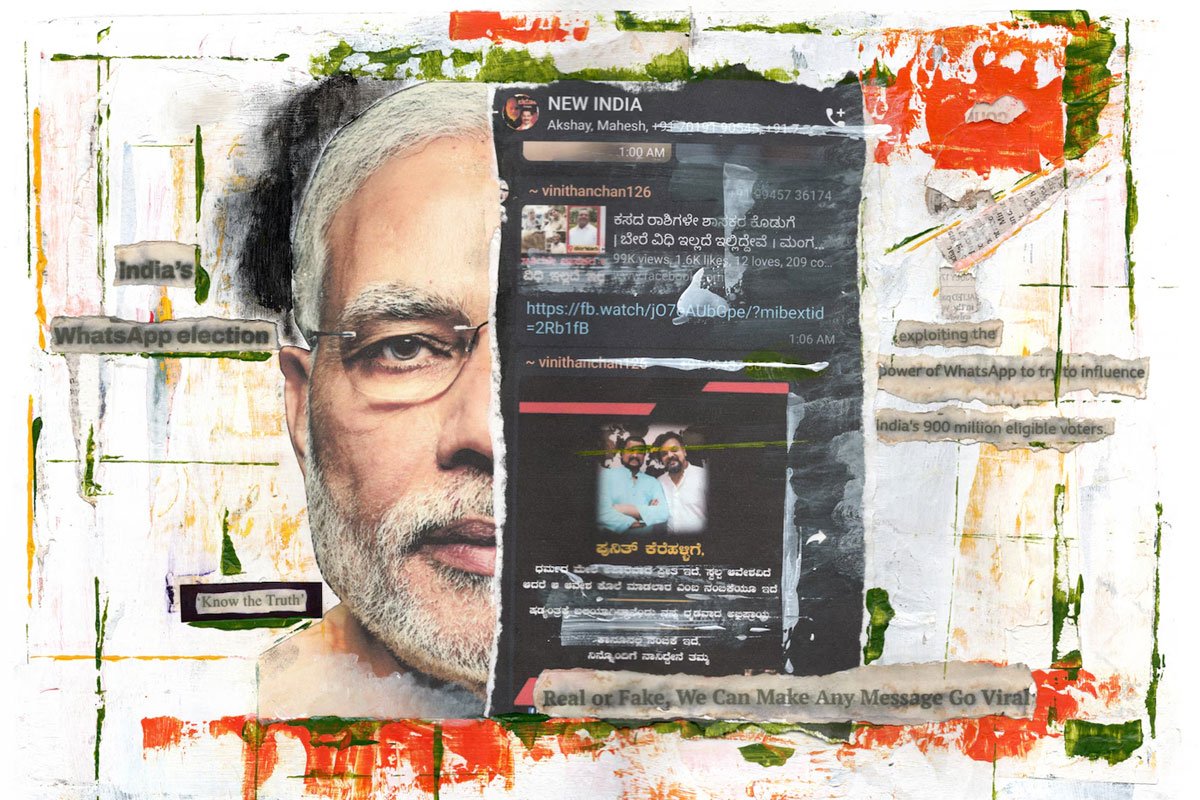
WhatsApp and Telegram – The Invisible Network WhatsApp is the powerful tool for campaigns that people do not really see. It has a lot of users in India than 500 million people use WhatsApp. This means that WhatsApp can be used to talk to people at a small level like the people who work at polling booths and to get voters to go out and vote. WhatsApp also allows people to share things like videos and messages in the languages that people speak where they live.. Whatsapp can also cause problems. WhatsApp is, like a knife that can cut both ways.
The BBC Disinformation Unit found out that a lot of information was being shared on WhatsApp during the 2019 elections. 25 Percent of the popular political messages on WhatsApp had claims that were not true or could not be verified. The Election Commission of India has made some new rules to keep an eye on things. However it is still really hard to make sure these rules are being followed on WhatsApp because it is encrypted. The BBC Disinformation Unit and the Election Commission of India are trying to deal with this indian political advertising has not just gone digital—it has become deeply personal, data-driven, and constantly present. Campaigns no longer speak at voters; they speak to them, one screen at a time. As technology continues to evolve, elections in India will be decided not only on the streets and stages, but in feeds, forwards, and five-second videos—where perception, precision, and storytelling now shape power.