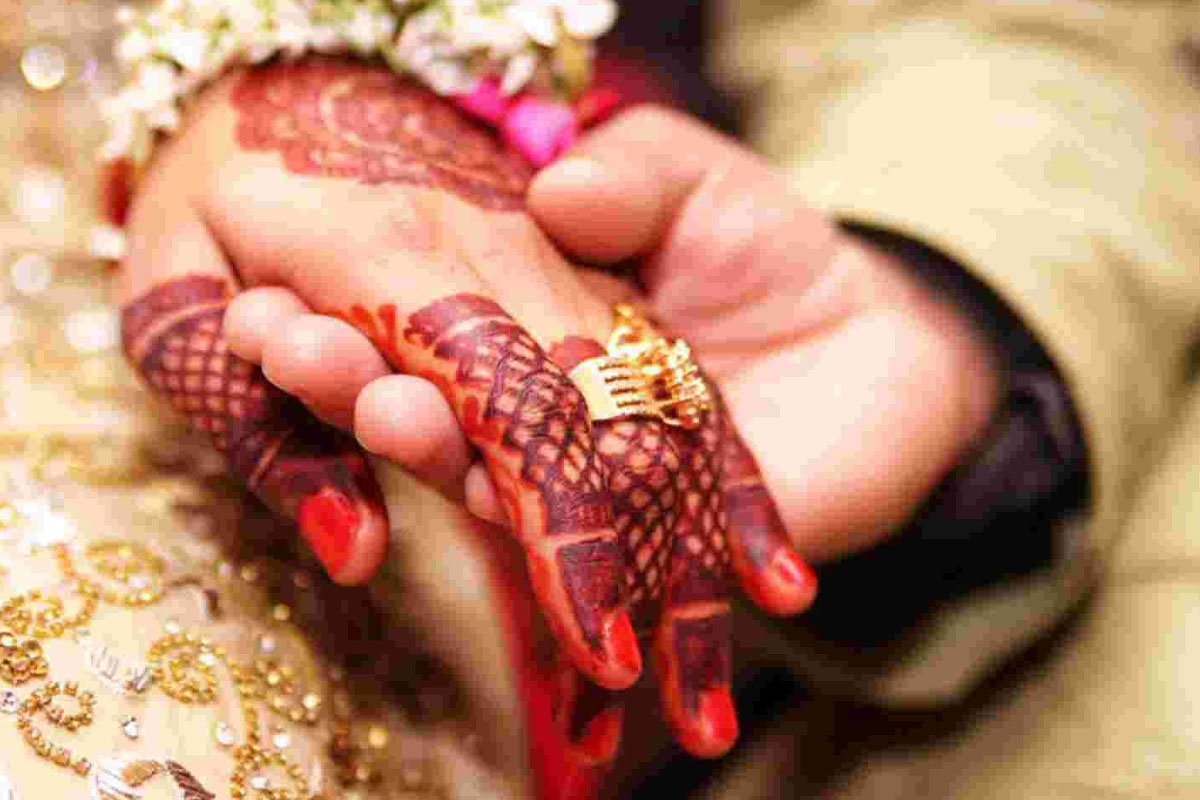
There was a time when people thought that getting married was the big thing you had to do in life. You went to school and got a job. Then you get married, and then only society will accept you as settled. Parents waited for you to get married. Your relatives always asked when you were going to get married. People in your community looked down on you if you were not married by a certain age. Society thought that if you were married, you were doing life right. Marriage was a deal; it was like the final step to being a complete person.
When I talk to men and women nowadays, I notice something different. What I see is that they are not really scared of being alone.
The idea of marriage is really different now than it was, for our parents. Then marriage was something you just did because it was what people expected. Nowadays Youth do not feel like they have to get married. Marriage is not the start of a life like it used to be. For young people marriage feels like it could get in the way of the life they are trying to build. Marriage is something that they can choose to do or not do. It is no longer something that everyone has to do.
This is where the internal conflict starts to happen. The internal conflict begins here.
A lot of youth today have two feelings that are always pulling them in different directions. One feeling is the freedom to do what they want. They can earn their money, make their own decisions, move to a new city, change jobs, and live life the way they want to.
The other feeling is the way they were raised. It is a lasting thing that they got from their family. Young people feel this conditioning in things like family dinners, phone calls, from relatives, and casual reminders that time is passing, and it is always affecting their freedom.
Nowadays, when people get married, they do not come into it with just emotions. They come into Marriage with their jobs, their own plans for life, their own rules, and a clear idea of who they are and what they want. Marriage is still two people, but Marriage is also about the life they have already built for themselves.
When women earn equally, it naturally means they carry an equal financial responsibility in running the household. But the expectation often doesn’t stop there. Many women are still expected to manage the home, take care of children, look after their husbands, and perform the emotional labour of being a “good wife” and “good mother,” all while contributing the same number of working hours as men.
At that point, the arrangement stops being a partnership and starts feeling like an overload. If income is shared, responsibility must be shared too. Not selectively. Not conveniently. This moment in history is not just about women stepping into financial independence; it is equally about men unlearning the idea of being the sole “leader” of the household. Leadership at home today is not control or authority — it is collaboration. It is learning to share space, decision-making, care work, and emotional responsibility. For many men, this shift is uncomfortable. It challenges deeply ingrained ideas of masculinity, power, and identity. But equality was never meant to be comfortable for those who benefited from the imbalance. True partnership means both partners show up at work, at home, and in parenting — without assuming that care work automatically belongs to the woman. Until domestic labour is valued and divided fairly, financial equality alone will always fall short of real equality.
This is not about taking something away from men. It is about building a home where no one is silently overburdened. The concept of marriage comes with all these conflicting thoughts and decisions. Here’s a clear, human-written continuation that flows naturally from your thought and deepens the reflection: The concept of marriage today comes with layers of conflicting thoughts and decisions. It is no longer a simple institution defined by fixed roles. Instead, it sits at the intersection of tradition and reality, expectation and fairness, love and labour. People enter marriage carrying very different assumptions — some shaped by equality in the workplace, others rooted in outdated domestic roles. When these assumptions are never discussed, marriage quietly turns into a negotiation neither partner is fully prepared for. What once felt like a lifelong promise now feels, for many, like a question mark. Not because people fear commitment, but because they fear imbalance. They fear giving more than they receive — emotionally, physically, and mentally.
Young couples want to be close to each other without feeling trapped. They want love, but that does not mean they have to give up who they are. They want a partnership that’s not too much to handle. These choices are not surprising anymore; they just make sense.
Marriage needs to change if it is going to work for people today. It can not just be something that people do because they think they should. Marriage has to be something that people talk about and figure out together.
Marriage should let people grow and change without trying to control each other.
People in a marriage should be together as equals, not one person being in charge of the other.
People in a marriage should respect each other without having to put up with things that are not okay. Marriage has to become a conversation. A conversation about marriage that allows people to grow and change without someone trying to control the marriage.
Togetherness in a marriage is important. It should be teamwork, and marriage should not have a hierarchy. Respect in a marriage is important. People should respect each other, and marriage should not require people to endure things that are not respectful.
Marriage today is not what it used to be. It is no longer about two people merging their lives together. Marriage today is about two people sharing a space together. It is no longer about one person owning the other. Marriage is about two people being companions to each other. The old idea that when you get married, “two become one” is changing. Now it is about two people choosing to walk together side by side, as two separate individuals. Marriage is becoming quieter and healthier because of this change. Two individuals are choosing to walk side by side in a marriage.
Marriage may still be a legal bond, but its soul is changing. It’s no longer about meeting society’s expectations. It’s about meeting our own. And perhaps that shift, uncomfortable as it may be, is the beginning of relationships that are more real, more equal, and more human. Marriage today demands conversations that earlier generations never had to hold: Who does the care work? Who pauses their career when life demands it? Who carries the invisible load? Until marriage evolves from a role-based contract into a consciously designed partnership, it will continue to feel heavy, confusing, and uncertain — especially for women who are expected to do it all, and for men who are asked to redefine what partnership truly means.