Dubai has never struggled to tell its own story. The city speaks through height, speed, and spectacle. Steel rises quickly here. Glass reflects ambition. Everything looks forward. Yet, what is spoken about less often are the people who made that possible. I noticed them on a flight back to Dubai. It was the first time in many years that I was travelling alone, without the familiar noise of family. With nothing to occupy me, I paid attention to what was happening around me. A group of construction workers sat nearby. They were talking continuously, shifting between languages, laughing, and observing long silences. Several were on video calls, holding their phones carefully, as if balance itself mattered. One man showed his mother on the screen. She looked older than he probably remembered. Another spoke to his child, who laughed at the sight of his face. A third spoke quietly to his wife. Both smiled. Neither looked convinced. Every conversation ended the same way. “I will come back soon.” It was not said casually. It was said like a responsibility.
A City Built Faster Than Its Stories: Dubai is known for its achievements. We recognise the names of companies, architects, and developers. We admire innovation and execution. These narratives are well-documented and public. But the labour that supports them is less visible. Construction workers arrive here with obligations already attached to them. Families waiting. Loans to repay. Time that must be justified. For many, working in Dubai is not merely an opportunity; it is a necessity. Their lives run parallel to the city most people experience. They live in shared accommodations, often crowded. Days begin early and stretch long. Heat is part of the job. So is exhaustion. The city they help create is rarely the city they move through. There is little room for complaint. Phone calls home are short. Conversations are edited. “Everything is fine,” they say. It is easier than explaining otherwise.
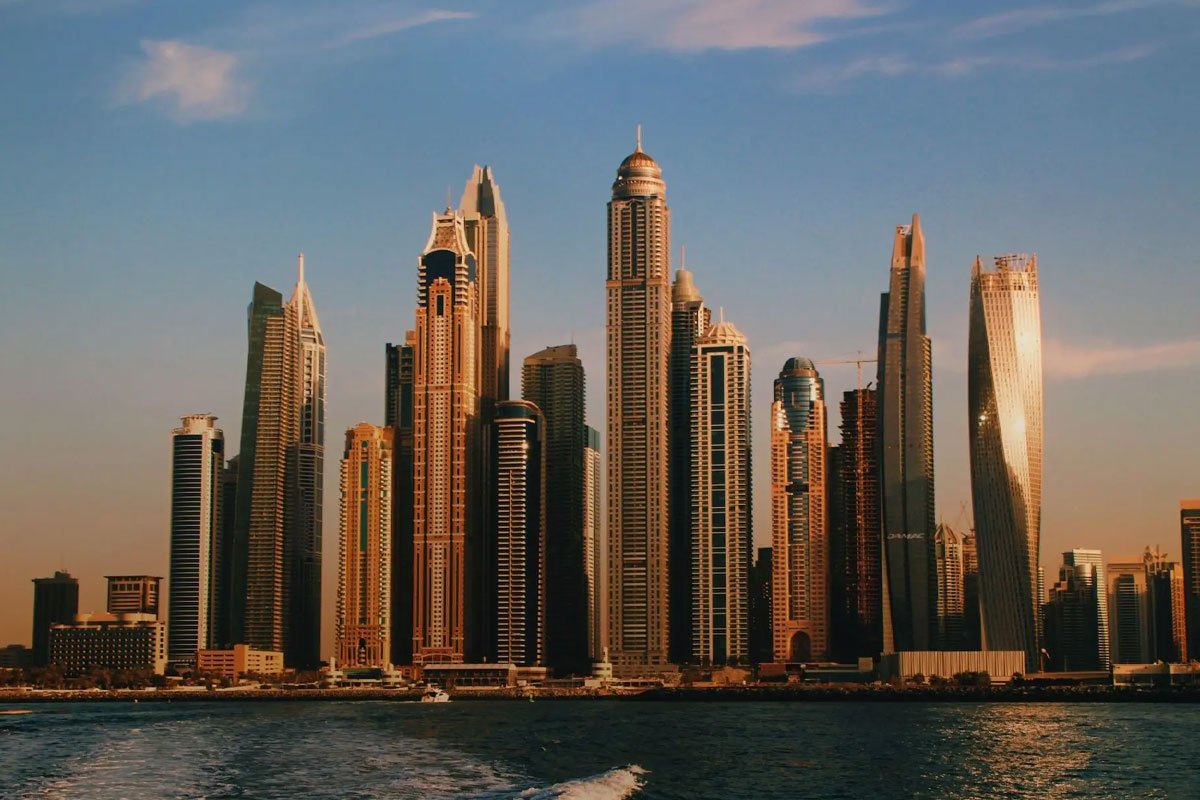
What We Choose Not to See: Dubai’s skyline is presented as a symbol of progress. And in many ways, it is. But progress is not only measured in height or speed. It is also measured in how honestly a city acknowledges the people who sustain it. Behind every tower is repetition: lifting, carrying, assembling, waiting. The work is physical, uncelebrated, and constant. It does not photograph well. It does not feature in brochures. Over time, regulations have improved. Wage protections and work-hour limits exist. These changes matter. Still, they do not replace visibility, dignity, or recognition. Development without memory is incomplete. Standing Back and Looking Again. The next time you look at Dubai’s skyline, look at it more slowly. Consider how many people stood where those buildings now stand. Consider how many lives are measured in contracts rather than calendars. Cities are not only built by vision. They are built by repetition, endurance, and people who leave parts of themselves behind. Their voices are rarely heard, but their work remains. And that is a story that deserves to be told.